
I was talking about Korean films with an American friend the other day and ended up recommending many of my favorites. These are the titles (out of over 300 Korean movies that I’ve watched over the years) that have stayed with me far after watching: movies that moved me, made me laugh, made me think, or pulled me in with the sheer beauty of their cinematography or storytelling.
For context, almost all of my recommendations come from the 21st century. Unlike American, European, Japanese, or even Chinese cinema, Korean film history faced unique setbacks until the 21st century. Decades of Japanese occupation, followed by a devastating war, poverty, and military dictatorship until the early 1990s, left little room for creative directors to develop their craft.
Under the authoritarian regimes of the ’60s through the ’80s, censorship was so strict that filmmakers had almost no freedom to express artistic vision, much like what’s happening in Russia today. Even in the 1990s, after Korea elected its first civilian president, Korean cinema still lagged far behind the global stage.
But Koreans, as BTS has shown the world, are exceptionally hard-working, intelligent, and creative bunch. Starting in the 2000s, a new wave of young auteurs, including Bong Joon-ho and Park Chan-wook, now regarded among the best directors in the world, burst onto the scene and transformed Korean cinema completely. Today, Korea consistently produces some of the best films each year. In 2019, Bong’s Parasite made history as the first non-English language film to win the Oscar for Best Picture.
I’m not sure whether all the films below are available with English subtitles (I know that a few of them are on Netflix), but if you are searching for some great Korean movies to watch, I highly recommend giving these movies a try. Here are my brief, one-sentence summaries for each film.
—————————————
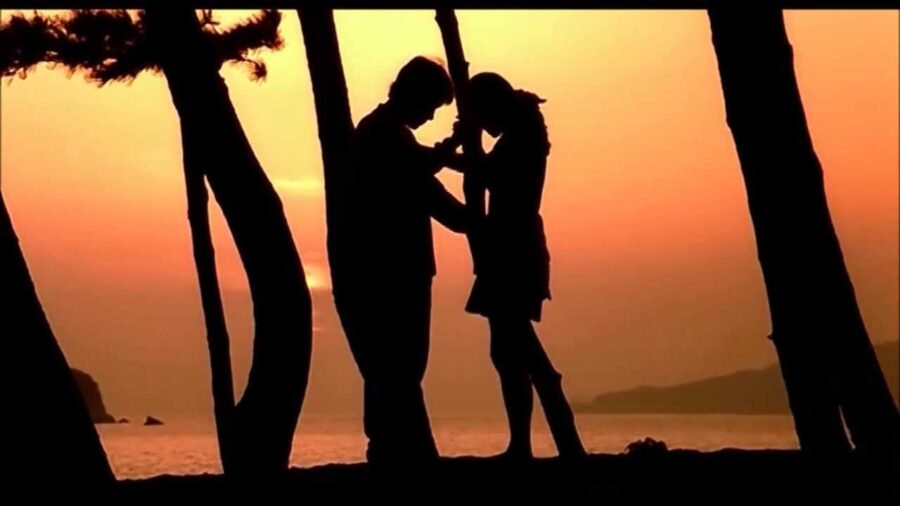
Bungee Jumping of Their Own (번지점프를 하다) (2001)
My all-time favorite Korean film is a quietly haunting love story about a teacher whose profound connection to his lost lover seems to echo across lifetimes, exploring themes of fate, memory, and the eternal return of love.
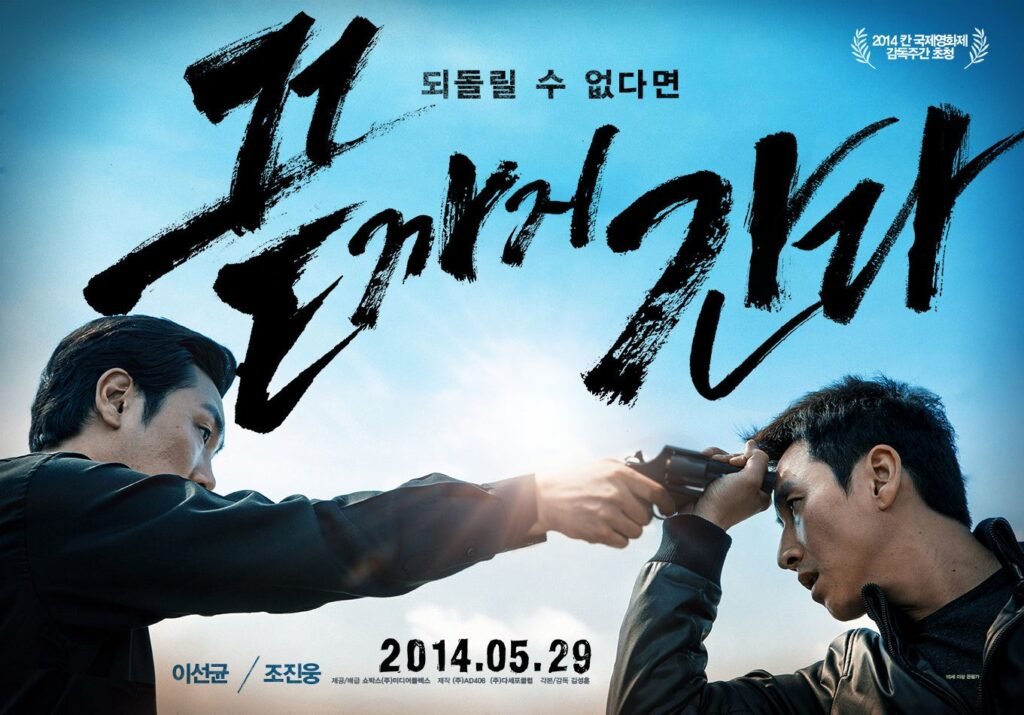
A Hard Day (끝까지 간다) (2014)
After accidentally killing a pedestrian on the day of his mother’s funeral, a corrupt detective scrambles to hide the body, only to become the target of a relentless blackmailer (perhaps my favorite movie character in cinema history, the villain is charismatically and suavely brought to life by my favorite Korean actor, Cho Jin-woong) who knows every detail of his crime.
Seopyeonje (서편제) (1993)
A deeply moving drama about a pansori (traditional Korean musical storytelling with singing) master and his two children wandering rural Korea, striving to preserve a traditional vocal art form against the tides of modernization and cultural loss.

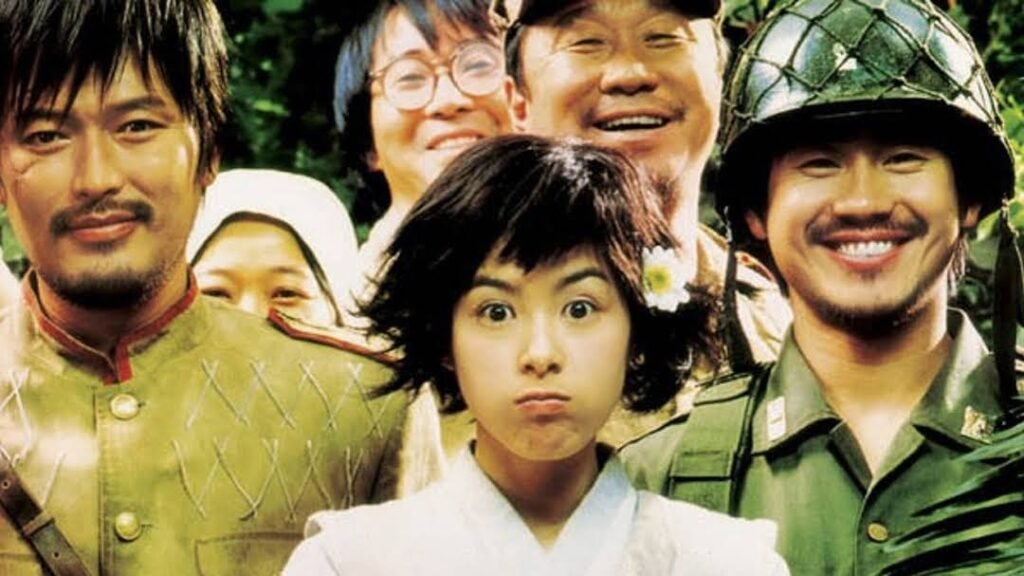
Welcome to Dongmakgol (웰컴 투 동막골) (2005)
In a whimsical mountain village untouched by war, North and South Korean soldiers, and an American pilot, find common humanity as magical realism, laughter, and tragedy transform enemies into unlikely friends.
Parasite (기생충) (2019)
A poor family infiltrates the lives of a wealthy household through deception, only to discover that beneath the surface of privilege lies an even darker underbelly, erupting into chaos and tragedy.
Oldboy (올드보이) (2003)
A man mysteriously imprisoned for fifteen years is suddenly released and given five days to find his captor, leading him into a labyrinth of revenge, deception, and a devastating truth he never imagined.
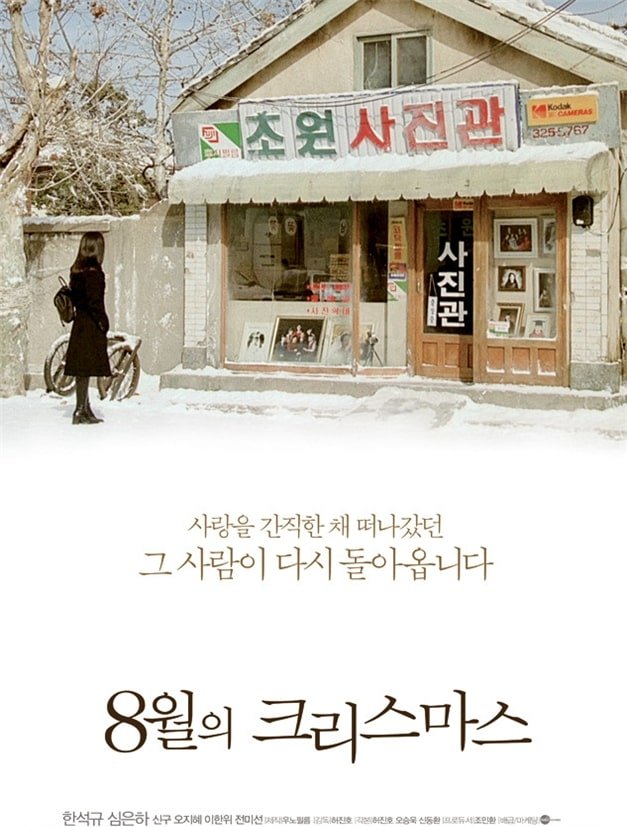
Christmas in August (8월의 크리스마스) (1998)
A quietly gentle film about a photo studio owner whose days are numbered, and the unexpected bond he forges with a young parking officer, as they try to savor the life’s fleeting moments.
Decision to Leave (헤어질 결심) (2022)
A detective investigating a man’s suspicious death becomes entangled in a slow-burn romance and dangerous mind game with the victim’s enigmatic widow, blurring the lines between duty, desire, and truth.

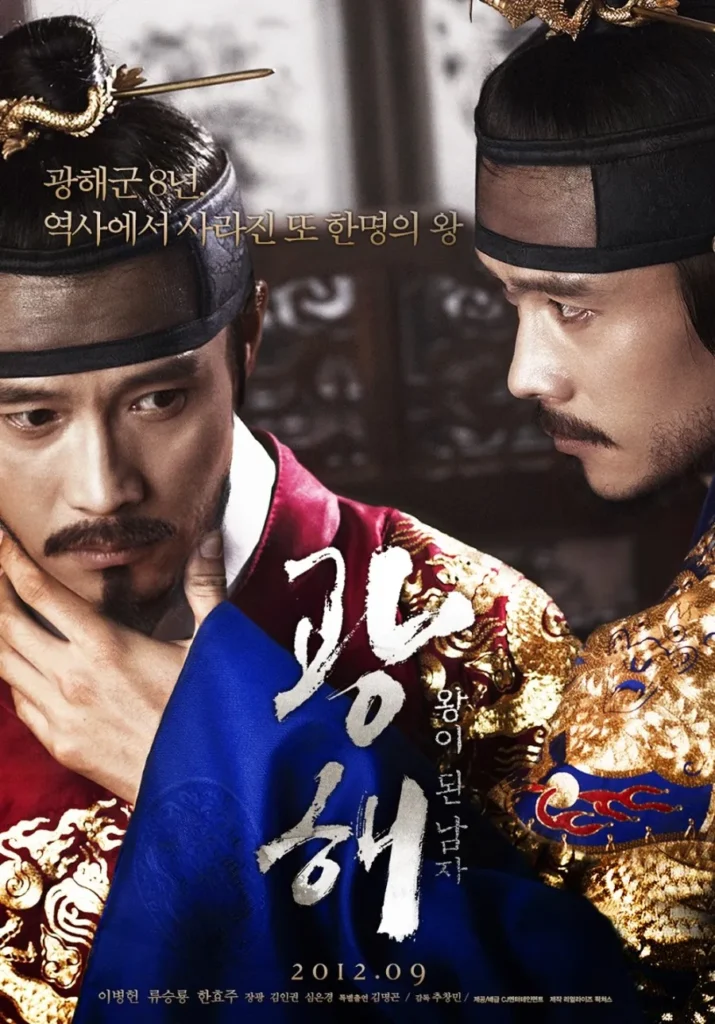
Masquerade (광해) (2012)
Set in the Joseon era, this sumptuous historical drama follows a humble jester forced to impersonate the tyrannical king, only to become a more just and beloved ruler in the process.
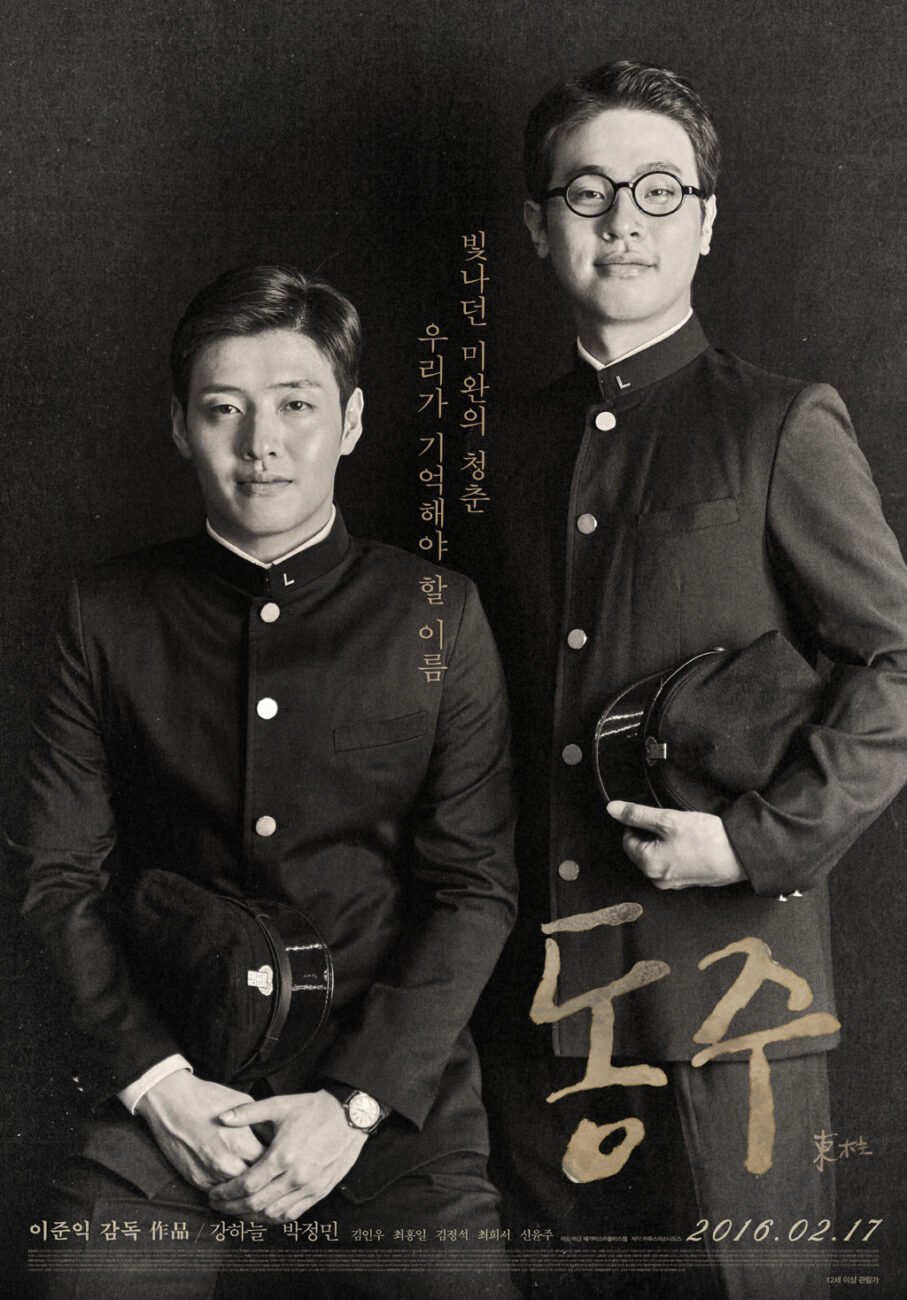
Dongju: The Portrait of a Poet (동주) (2016)
Based on the real life of poet Yun Don-ju, the film follows the young poet wrestling with his art, his conscience, and the crushing reality of Japanese occupation, leaving behind verses that endure long after his brief life.
Mother (마더) (2009)
A fiercely emotional mystery about a mother’s relentless quest to prove her intellectually challenged son’s innocence when he’s accused of a brutal murder.
Little Forest (리틀 포레스트) (2018)
A gentle, contemplative drama that follows a young woman’s return to her rural childhood home, where she rediscovers healing and self-reliance through seasons of simple living, cooking, and the rhythms of nature.
Miracle in Cell No. 7 (7번방의 선물) (2013)
A bittersweet, heartwarming tale about a mentally challenged father with a young daughter unjustly imprisoned for a crime he didn’t commit, whose love for his daughter and innocence inspire hope and laughter among hardened inmates.
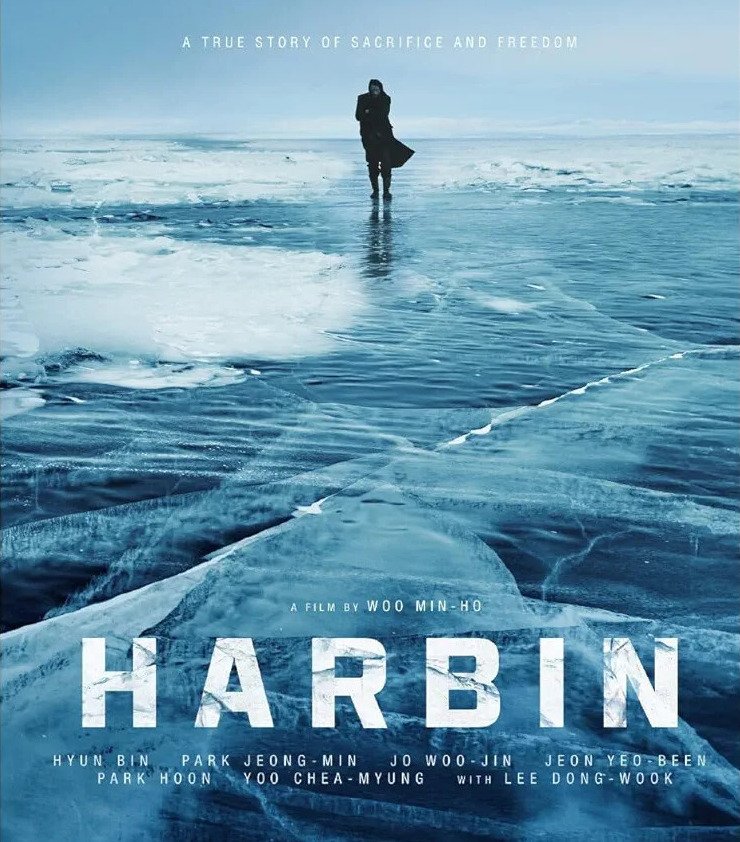
Harbin (하얼빈) (2024)
Set in 1909, this gritty biographical thriller follows Korean independence activist Ahn Jung-geun and his ragtag band as they plot the daring assassination of Japanese statesman Itō Hirobumi in the frozen city of Harbin, China, as the film’s stark, minimalistic cinematography and restrained use of light heighten its pervasive tension, capturing both the chill of Manchurian winter and the quiet resolve of those risking everything for freedom (a caveat: non-Korean viewers may find the emotional stakes and cultural resonances through the storytelling muted unless they already grasp the long shadow of Japanese occupation that frames every act of this fateful mission).
Too Beautiful to Lie (그녀를 믿지 마세요) (2004)
A spirited romantic comedy where a charming ex-con spins a web of white lies to win back her life, leading to a series of comedic misunderstandings and unlikely bonds and love in a rural town.

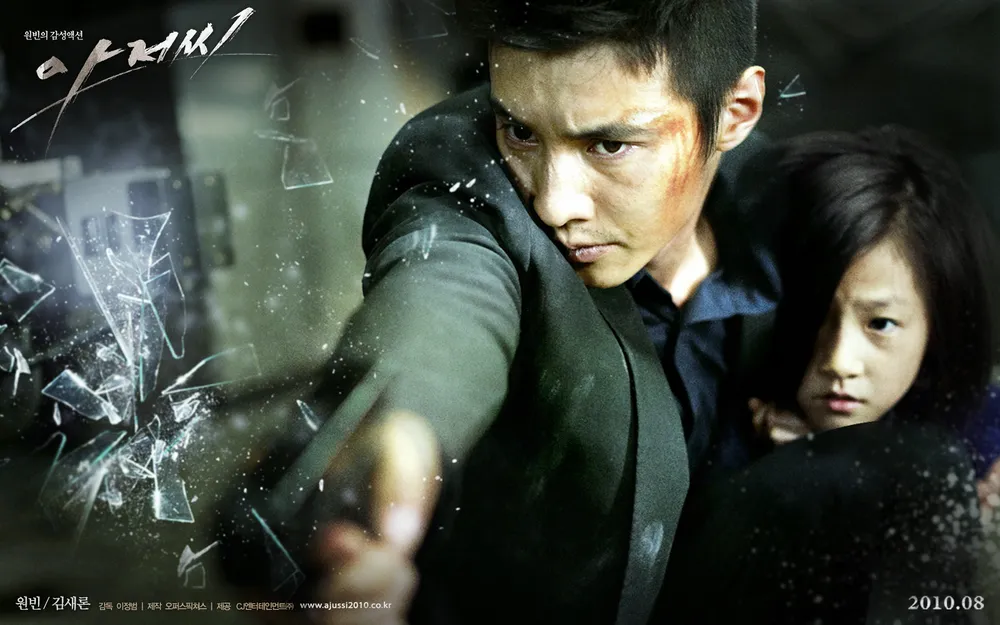
The Man from Nowhere (아저씨) (2010)
A relentlessly violent and gripping crime thriller in which a mysterious, haunted pawnshop owner must confront his violent past to rescue a kidnapped child, unleashing fury on a corrupt underworld.
A Tale of Two Sisters (장화와 홍련) (2003)
A beautifully unsettling psychological horror, where two sisters return home from a mental institution and become ensnared in a haunting web of family secrets, grief, and chilling supernatural events.
The King and the Clown (왕의 남자) (2005)
A poignant, subversive historical drama about two traveling performers whose satirical play for a tyrant king draws them into palace intrigue, forbidden desires, and tragic consequences.
The Pirates (해적: 바다로 간 산적) (2014)
In a raucous blend of high-seas adventure and comedy, a crew of pirates and bandits races to recover royal treasure swallowed by a whale before their rivals can claim the prize.
Someone Special (아는 여자) (2004)
A professional baseball player, told he has only a short time left to live, unexpectedly finds solace, humor, and an offbeat romance with an unusual young woman during what could be the final days of his life.

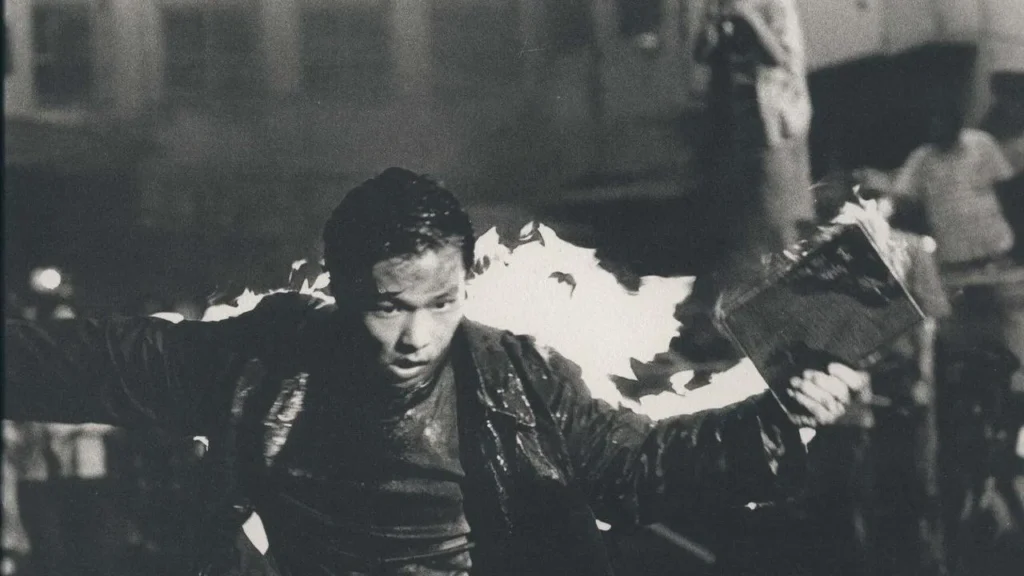
A Single Spark (아름다운 청년 전태일) (1995)
A powerful biographical drama about Jeon Tae-il, a young garment factory worker in 1960s Korea who sacrificed himself (self-immolation) in protest against inhumane labor conditions, igniting a nationwide labor movement.
12.12: The Day (서울의 봄) (2023)
In the turbulent wake of South Korea’s political unrest after the assassination of the military dictator Park Chung-hee, a ruthless general launches an illegal coup to seize power, while a small band of loyal soldiers risk everything to defend the lawful chain of command and stop his takeover in the chaotic hours of December 12, 1979.

Long Live the King (롱 리브 더 킹: 목포 영웅) (2019)
A charismatic gangster’s chance encounter with a passionate lawyer inspires him to run for political office, forcing him to juggle his criminal past with his newfound ambitions for justice.